


Powering Canada’s Aerospace Future: The F-35 Industrial Impact


Economic Highlights


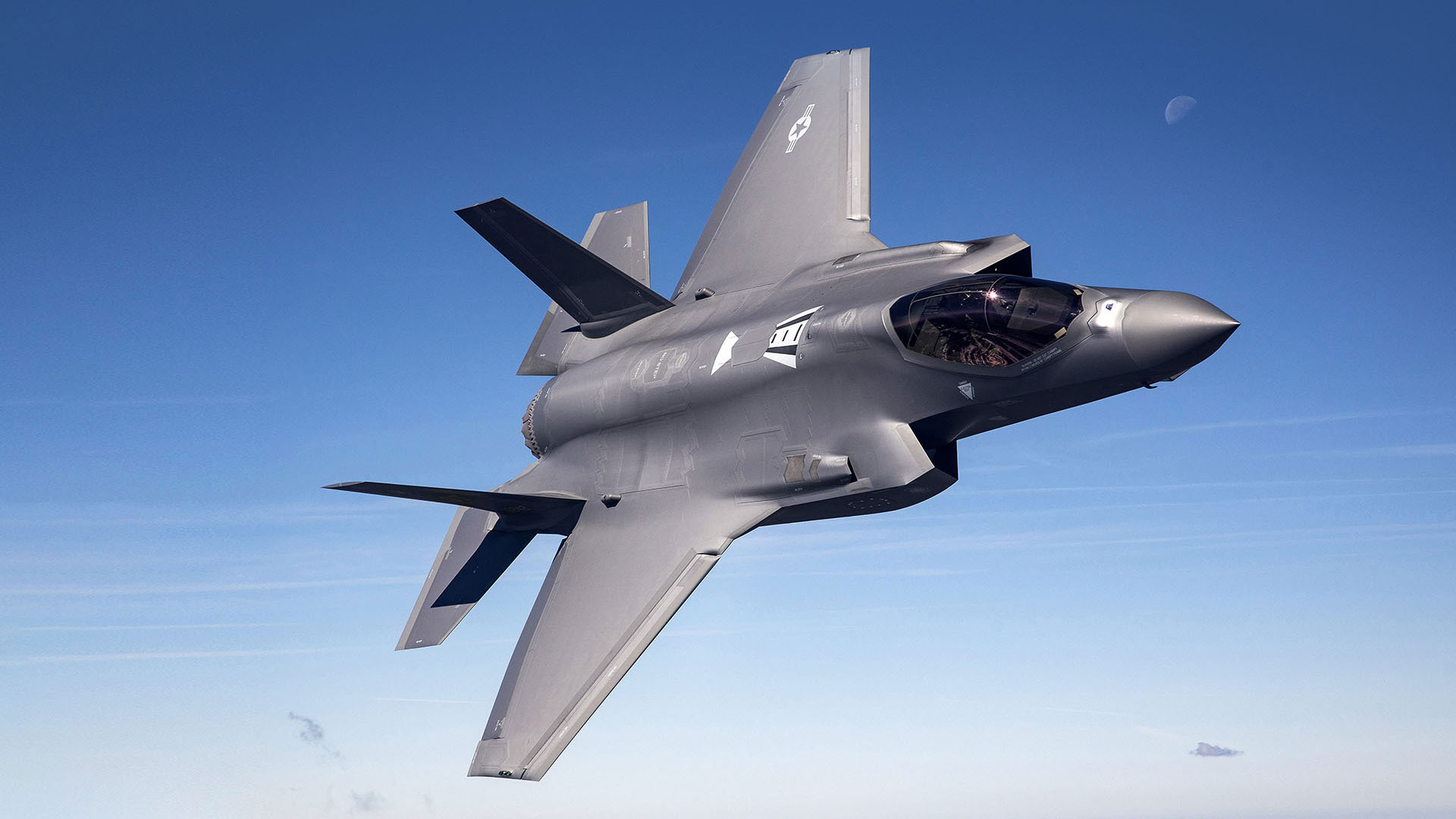
For nearly 30 years, Canadian innovation has helped shape the world’s most advanced fighter aircraft, the F-35 Lightning II.
Components designed, built or engineered in communities across Canada are inside every F-35 flying today. This work has strengthened the country’s aerospace sector and created lasting economic impact. As Canada prepares to welcome its own fleet of F-35s, a supply chain of more than 30 Canadian companies continues to deliver the high-value technologies that enable the aircraft’s unmatched capability.
This work is set to continue to grow as Canada acquires 88 F-35s. With production and sustainment projected through 2058, the program is expected to generate more than CAD $15.5 billion in economic value for Canada.
A Global Program with Deep Canadian Roots
Canada began investing in the F-35 program in 1997 and joined the partnership in 2002, allowing Canadian companies to compete for work across the entire fleet. The cooperative global program matched the best Canadian firms with the largest defence enterprise in history. That early involvement positioned Canada at the forefront of a generational opportunity: today, each F-35 delivered includes more than C$3.2 million in Canadian-made components, representing contributions from suppliers in six provinces.
With more than 1,270 aircraft delivered worldwide, Canadian companies have already contributed a significant amount of content for the global fleet, even before Canada receives its first jet.
Collaboration Across Canada’s Aerospace Ecosystem
For engineers, technicians and suppliers across the country, the F-35 program represents a chance to help shape the next generation of aerospace capability both in Canada and worldwide. Many have been part of the F-35 story for years, contributing to a global partnership that offers significant opportunities for Canadian suppliers to provide sustainment for not only Canada’s 88 jets, but the entire global fleet.
From the horizontal tail produced in Winnipeg to the engine sensor in Ottawa, and panels and parts made of composite materials in Lunenburg, Nova Scotia, the world’s most advanced fighter wouldn’t take to the skies each day without the contributions of Canadian businesses, people and partnerships.
An Economic Engine for Decades to Come
The F-35’s economic footprint reaches far beyond the shop floor. It strengthens local economies and helps Canadian companies expand into new markets. Many suppliers have used their F-35 experience as a springboard, winning additional work across the international aerospace and defence sector.
With the program continuing to grow, the work Canadian suppliers are doing today will help define the future of aerospace, ensuring Canada remains a key partner in delivering advanced air power.
More than Jets
Outside of the F-35 program, Lockheed Martin Canada produces and exports Canadian technology, capability and services to key allies. With an 85-year history in Canada, Lockheed Martin currently employs 1,000 Canadians across five locations in Canada, and employment continues to grow.
The local offices also connect Canadian businesses with supply chain opportunities across the corporation’s global portfolio of platforms – even for platforms that Canada does not currently operate.
Since 2004, Lockheed Martin has delivered over C$13.9B in economic benefits under Canada’s Industrial and Technological Benefits policy, well beyond the impacts of the F-35 program alone. With a commitment to expanding presence and building a future-ready supply chain, Lockheed Martin will remain the trusted defence partner for Canada for decades to come.